
 Belgium
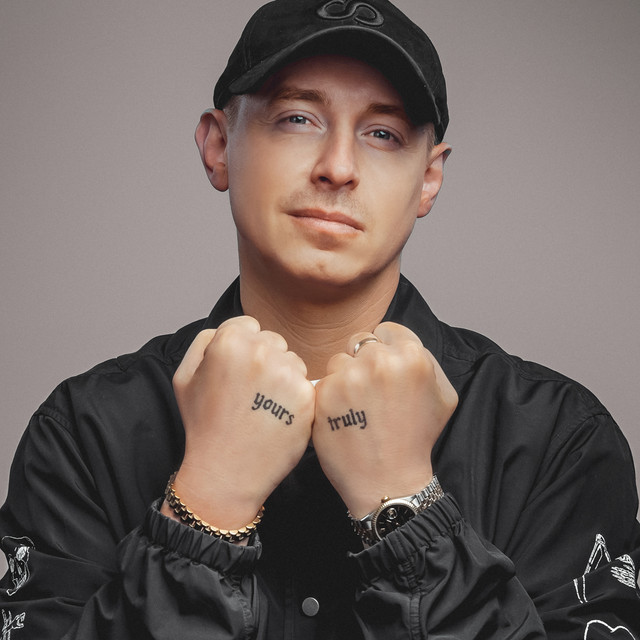
Lost Frequencies is a House act from Belgium, ranked #21 in the world on the DJ INDEX with 21,795,427 monthly Spotify listeners. That also puts them #1 in Belgium and #17 in House among the acts we track. Their monthly audience has slipped 10% over the 7 weeks we have tracked them, from 24.3M to 21.8M. Their tracked peak was 24,467,256 in Aug 17, 2026. They have 3,229,809 Spotify followers and a Spotify popularity score of 78/100. Their most-streamed track on Spotify is “Black Friday (pretty like the sun)”.
Who Lost Frequencies is
Felix De Laet (born 30 November 1993), known by his stage name Lost Frequencies, is a Belgian DJ and record producer. He is best known for his singles "Are You with Me" in 2014, "Reality" featuring Janieck Devy in 2015, and "Where Are You Now" with Calum Scott in 2021.
Biography from the Lost Frequencies article on Wikipedia, available under CC BY-SA 4.0.
Most played tracks
The tracks Spotify surfaces first for Lost Frequencies, with its own 0–100 popularity score alongside.
 Black Friday (pretty like the sun)Lost Frequencies · 2024862
 Where Are You NowAll Stand Together · 2023803
 Are You With MeLess Is More · 2016844RealityLess Is More · 2016815
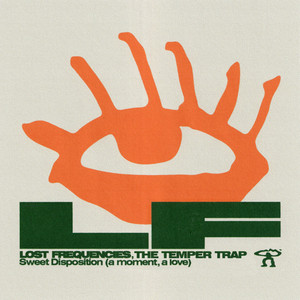 Sweet Disposition (a moment, a love)Lost Frequencies · 2025786Back To YouAll Stand Together · 2023687The FeelingAll Stand Together · 2023678
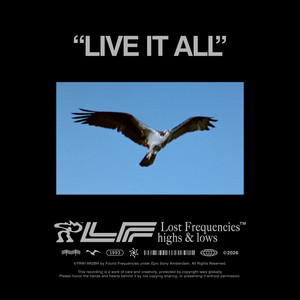 Live It AllLost Frequencies · 2026709
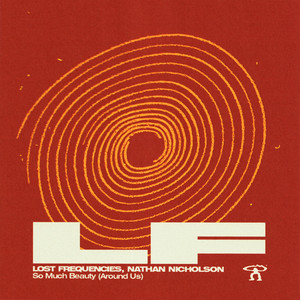 So Much Beauty (Around Us)Lost Frequencies · 20266910
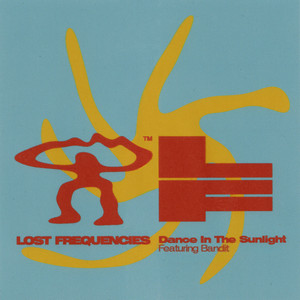 Dance In The SunlightLost Frequencies · 202568
Latest releases
21 recent albums and singles. Cover art links through to Spotify.
Paraiso2026 · single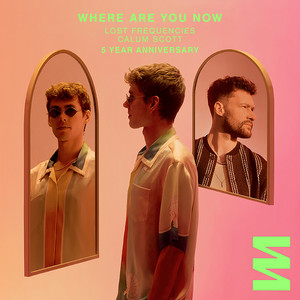 Where Are You Now (5 Year Anniversary)2026 · single
 Would U Still Love Me (Lost Frequencies Remix)2026 · singleLive It All2026 · singleSo Much Beauty (Around Us)2026 · single
 Listen To Me2025 · single
 Summer Skies (Love To Cry)2025 · single
 Sweet Disposition (a moment, a love)2025 · single
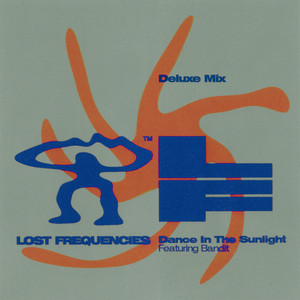 Dance In The Sunlight (Deluxe Version)2025 · singleDance In The Sunlight2025 · single
 Love Is The Only Thing (Deluxe Edit)2025 · single
 Kick The Nation2024 · single
Post this ranking
A ready-made card with the current world rank — story size for Instagram and TikTok, square for the feed.
1080 × 1920 for stories, 1080 × 1080 for the feed. Updated every week.
Paste it anywhere — your site, a press kit, a booking page. It refreshes itself every Monday, so the number is never the one from the week you copied it.
<a href="https://dj-index.com/artist/lost-frequencies" target="_blank" rel="noopener">
  <img src="https://dj-index.com/artist/lost-frequencies/badge"
       alt="Lost Frequencies on the DJ INDEX world ranking" height="52">
</a>Listener trend
8 weekly snapshots. Peak so far: 24.5M in the week of Aug 17, 2026.
Scene ranks
Around them in the chart
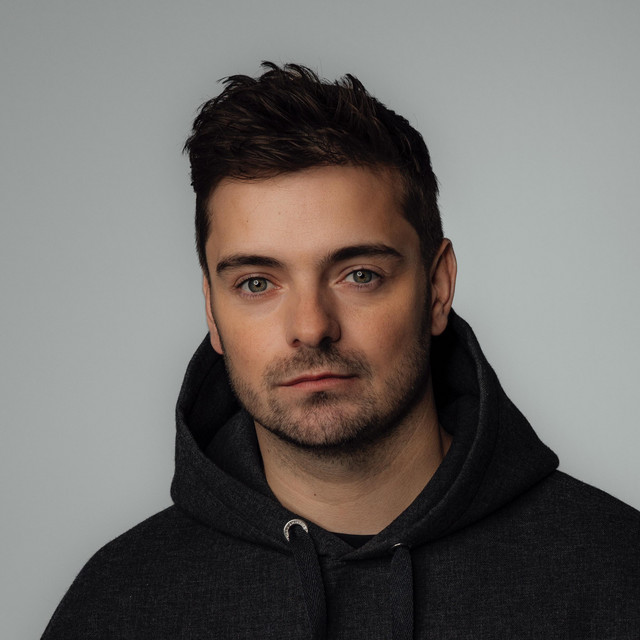
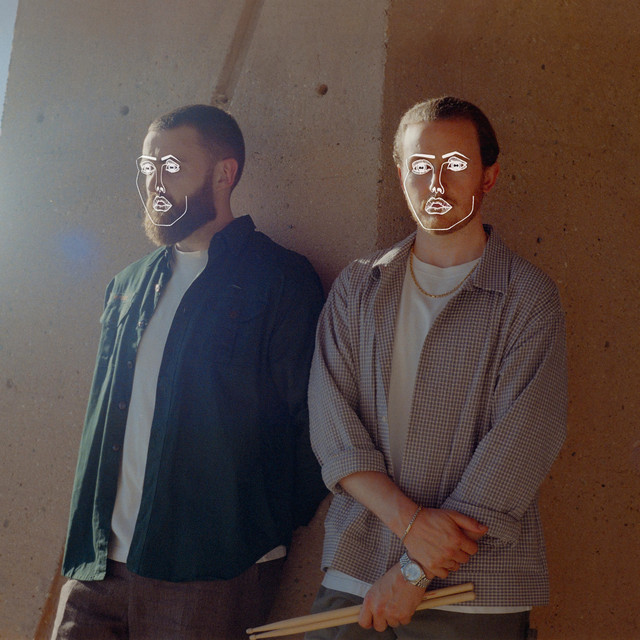


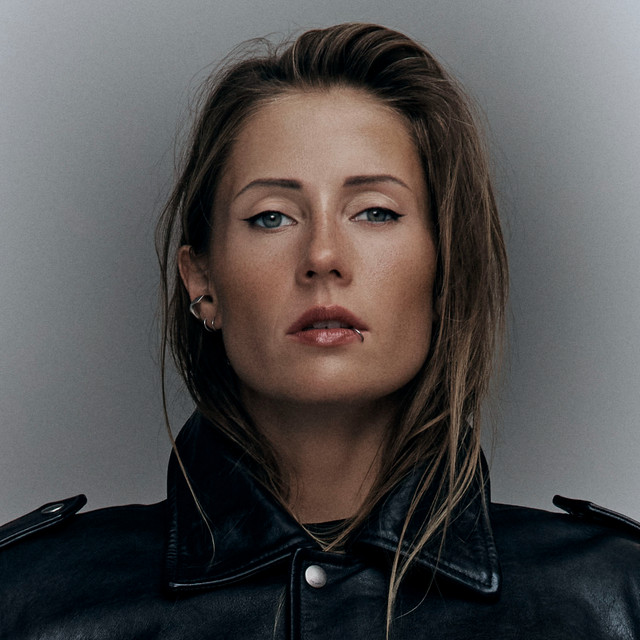
Artists to compare
Acts at a similar level in house, and the biggest names from Belgium.






Lost Frequencies vs the field
Settle it on the numbers — monthly listeners, rank and trend, side by side.
Lost Frequencies in numbers
How many monthly Spotify listeners does Lost Frequencies have?
Lost Frequencies has 21,795,427 monthly Spotify listeners in the week of Sep 28, 2026.
What is Lost Frequencies's world ranking?
Lost Frequencies is ranked #21 of 4408 electronic music artists in the DJ INDEX, which ranks purely by monthly Spotify listeners.
Where is Lost Frequencies from?
Lost Frequencies is from Belgium, where they rank #1 among the acts we track.
What kind of music does Lost Frequencies make?
Lost Frequencies is categorised as House in the DJ INDEX. Spotify tags them as tropical house.
Snapshot from the week of Sep 28, 2026. Listener figures come from an exact public source.